
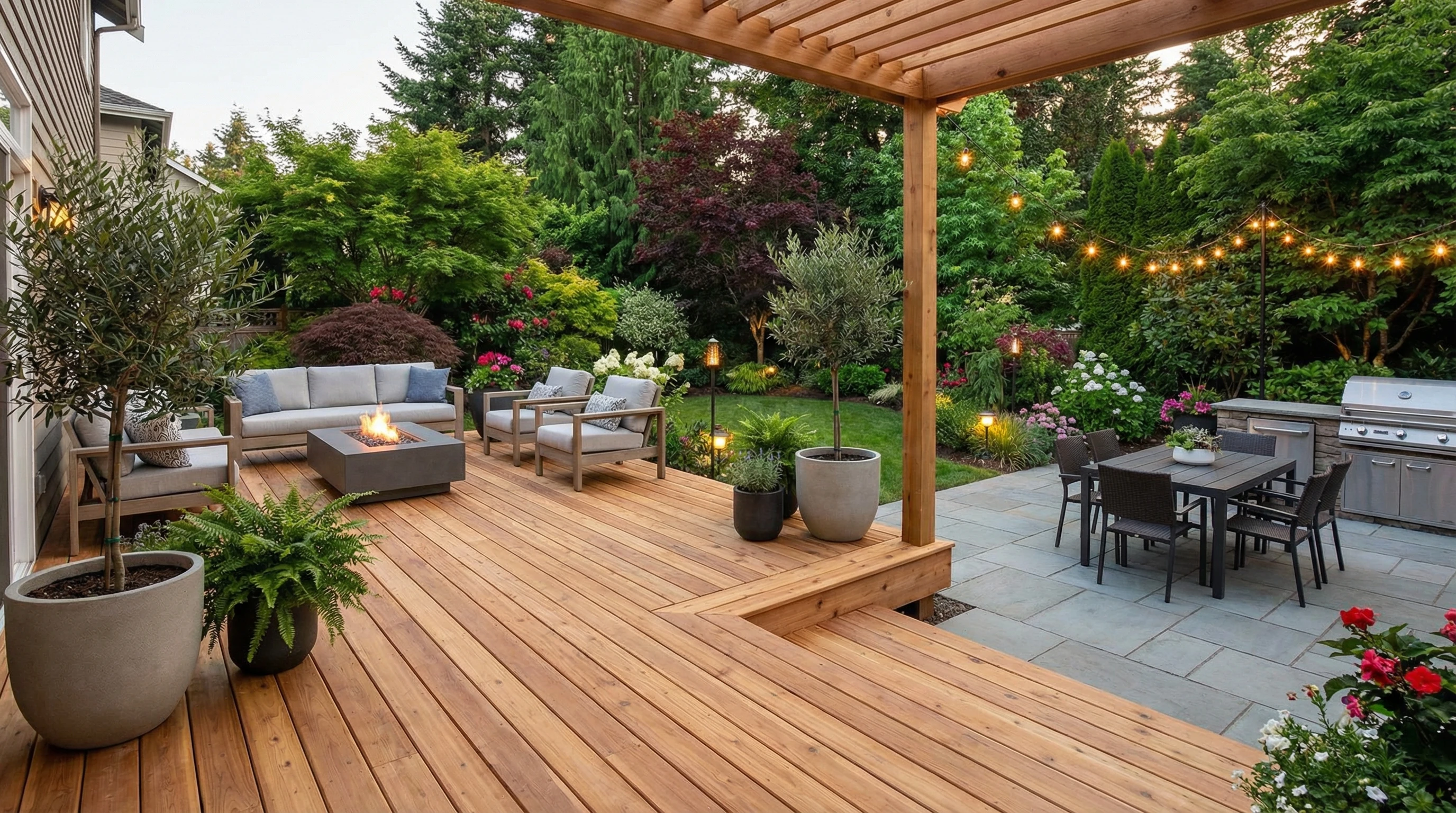
Thinking about building or upgrading your back deck or patio? This project can really give a boost to your outdoor living space, making it a spot for relaxing, entertaining, or even just soaking up the sun after a long day. A well designed deck or patio brings both function and value to your home, but it can feel a bit overwhelming if you’re not sure where to start.
Maybe you’re dreaming about grilling out, hosting friends, or just finally having a place to enjoy your morning coffee outside. Whether you’re starting from scratch or just want to freshen up an existing space, there are a few key steps that can make the entire process way smoother, less stressful, and a whole lot more fun.
This guide breaks down the planning and building process step by step, with practical advice and options to fit a wide range of budgets and styles. By following these tips, you’ll be able to create an outdoor space that works for your needs without the usual headaches.
Step 1: Figure Out Your Goals and Space
The first thing I always do is take a bit of time to sketch out what I really want from my deck or patio. Without a solid vision, it’s too easy for the project to get off track or run into issues down the road. If you can picture yourself laughing around a table with family, quietly reading in the sun, or enjoying a lush container garden, it’s easier to know what choices to make.
Questions to Think About:
- How do I want to use the space; hosting parties, dining, relaxing, gardening, or maybe all three?
- What’s my total budget, and which features are a must?
- How much space is available, and are there any tricky slopes, trees, or obstacles to work around?
- Do I want direct sun, shade, or a mix throughout the day for comfy outdoor time?
- How much time am I willing to dedicate to maintenance?
Planning Tips:
- Draw basic layouts on paper to mix around shapes and ideas.
- Take real measurements of your yard using a tape measure or simple phone app.
- Browse inspiration photos to find new styles and clever layouts that fit your needs.
When you’ve clearly spelled out your goals and space, decision-making about layout, materials, and design becomes so much easier. A little up-front thought goes a long way!
Step 2: Choose Materials and Design Elements
Materials are a big part of both the look and feel, as well as the long term care, of your deck or patio. There are tons of directions you can go, even if your budget is on the tight side.
Popular Deck and Patio Materials:
- Wood (Pressure Treated, Cedar, Redwood): Classic look, warm feel, and can be stained any color. Needs resealing every year or two.
- Composite Decking: Super durable, low effort, and resists fading or rot. Higher upfront cost, but you save time and money down the road due to reduced maintenance.
- Pavers and Stone: Great for patios. Tons of options; brick, concrete, flagstone, slate, and more. Very long lasting and simple to clean.
- Concrete Slabs: Budget friendly and practical. You can even pour color or stamps into concrete for a custom look.
Design Details Worth Considering:
- Railings and built-in benches for safety and extra seating.
- Integrated lighting to vibe up the evenings and make things cozier.
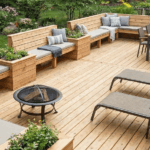
- Shade features like pergolas, awnings, or a practical umbrella.
- Steps and smooth transitions between areas for a multilevel space.
Think about how every choice affects both comfort and care down the road. Composite boards practically take care of themselves, while natural wood delivers a classic finish but does require some extra upkeep. Pavers are long lasting and offer many design choices for a unique look.
Step 3: Check Regulations and Prepare the Site
Before you start any construction, it’s really crucial to find out if you need a permit for your deck or patio. Rules can vary a lot by city or neighborhood, and skipping this step can mean expensive headaches later. Sometimes even your homeowners association could have rules about size, style, or what materials are allowed.
Permit and Code Checks:
- Visit your city or county website for permit information and specific requirements.

- Call the local building department if something isn’t clear or you have questions.
- Mark underground utilities before digging, since most places have a free service for this.
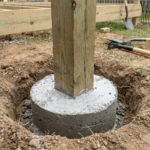
Once you’ve got the go ahead, prepping the ground is key for durability and keeping your investment protected. For patios, leveling the area, laying down a solid base of gravel and sand, and sloping for drainage matters. For decks, sturdy posts and correctly set footings will keep your structure steady for years.
Step 4: Build or Upgrade Your Deck or Patio
Now comes the part where your vision really takes shape. Whether you’re tackling this as a first time DIYer, with some handy skills, or opting to hire a pro, you have some great options. Each route offers different pros, cons, and costs. Kits can save time for newer builders, while hiring a pro ensures everything meets code and is built to last.
Key Steps for DIY Deck or Patio Construction:
- Lay out your foundation—gravel or concrete for patios, concrete footings for decks.
- Frame the structure using pressure treated wood or tough metal.
- Install decking boards or pavers, spacing them evenly for drainage and to avoid shifting.
- Add finishing touches like trim, railings, and built in benches for comfort and style.
- Seal, stain, or finish wood and concrete surfaces for weather protection.
If you’re upgrading instead, think about swapping out old railings or boards, adding safer stairs, or simply resealing and power washing what’s already there for a like-new finish. New lighting or a set of planter boxes can transform the look fast, all without big spending.
Step 5: Landscape and Accessorize for Comfort
Even a sturdy, well made deck or patio can feel a bit bare without some personal touches and greenery. Landscaping your space does not have to be costly or tough to maintain. A few potted plants, a string of outdoor lights, or colorful cushions can make a big difference and help set the mood for relaxing evenings or lively weekend gatherings.
Ideas to Try:
- Outdoor rugs and weatherproof cushions to instantly cozy up the space.
 Easy care plants and raised planters along the edges for a lush border.
- Solar lights or string lights for a fun, relaxed glow after sunset.
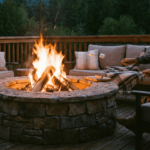
- Small water features or a steel fire pit for a little extra ambiance.
- Shade sails or umbrellas to stay cool even on the brightest days.
Mixing in different materials like wood, stone, metal, and textile keeps things visually interesting. A storage bench or box can keep your cushions, games, and grilling tools out of sight but close at hand. This is where your style and creativity can really shine.
Troubleshooting & Common Questions
What if my yard isn’t level?
Dealing with slopes or uneven ground is common. Most of the time, you can build a deck with posts and footings that adjust to the terrain. For patios, digging and leveling is key, and in some cases, building a small retaining wall can help create a level, attractive seating area.
How much does a deck or patio project cost?
Costs vary widely with size, materials, and whether you go DIY or hire a contractor. Basic DIY patios are possible for a few hundred dollars. More elaborate decks with premium materials could cost several thousand. Figure out your must have features first so you can set a realistic budget.
What’s the maintenance like?
Wood decks need regular sealing and might require a board to be replaced now and then. Composites just need a good wash from time to time. Stone or paver patios need sweeping and an occasional rinse, and you might have to pull weeds that sneak between the stones.
Can I add features like an outdoor kitchen or sound system?
Absolutely! Once you’ve built a sturdy deck or patio, adding extras like an outdoor kitchen, a simple grill station, or even built-in speakers is completely doable. Just make sure any electrical work meets local codes and that heavy features are well supported.
What about winter weather or heavy rain?
If you live in an area that gets a lot of snow or rain, pick materials that hold up well to moisture. Composite decking, stone, and properly sealed concrete last for years with less upkeep. Consider a cover or shade structure for year round use, and make sure the site is graded so water moves away from your home’s foundation.
Bringing Your Project Together
Building or upgrading a back deck or patio is a home project that keeps on giving, offering a perfect spot for everything from early morning coffee to family get-togethers’ or star filled nights with friends.
Simple Steps to Get Started: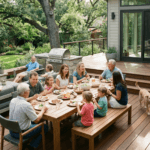
- Decide how you want to use your space and what works best for your yard’s shape and size.
- Choose materials that match your lifestyle, budget, and maintenance comfort level.
- Doublecheck local rules so that you avoid delays or extra trouble.
- Map out a building plan or find a trustworthy contractor if you want professional help.
- Add finishing touches to make your deck or patio feel welcoming—plants, lights, cushions, and decor that show your personality.
What features or upgrades would make your outdoor space special? Feel free to share your thoughts, ideas, or before and after stories below and inspire others looking to give their backyards a major boost!