
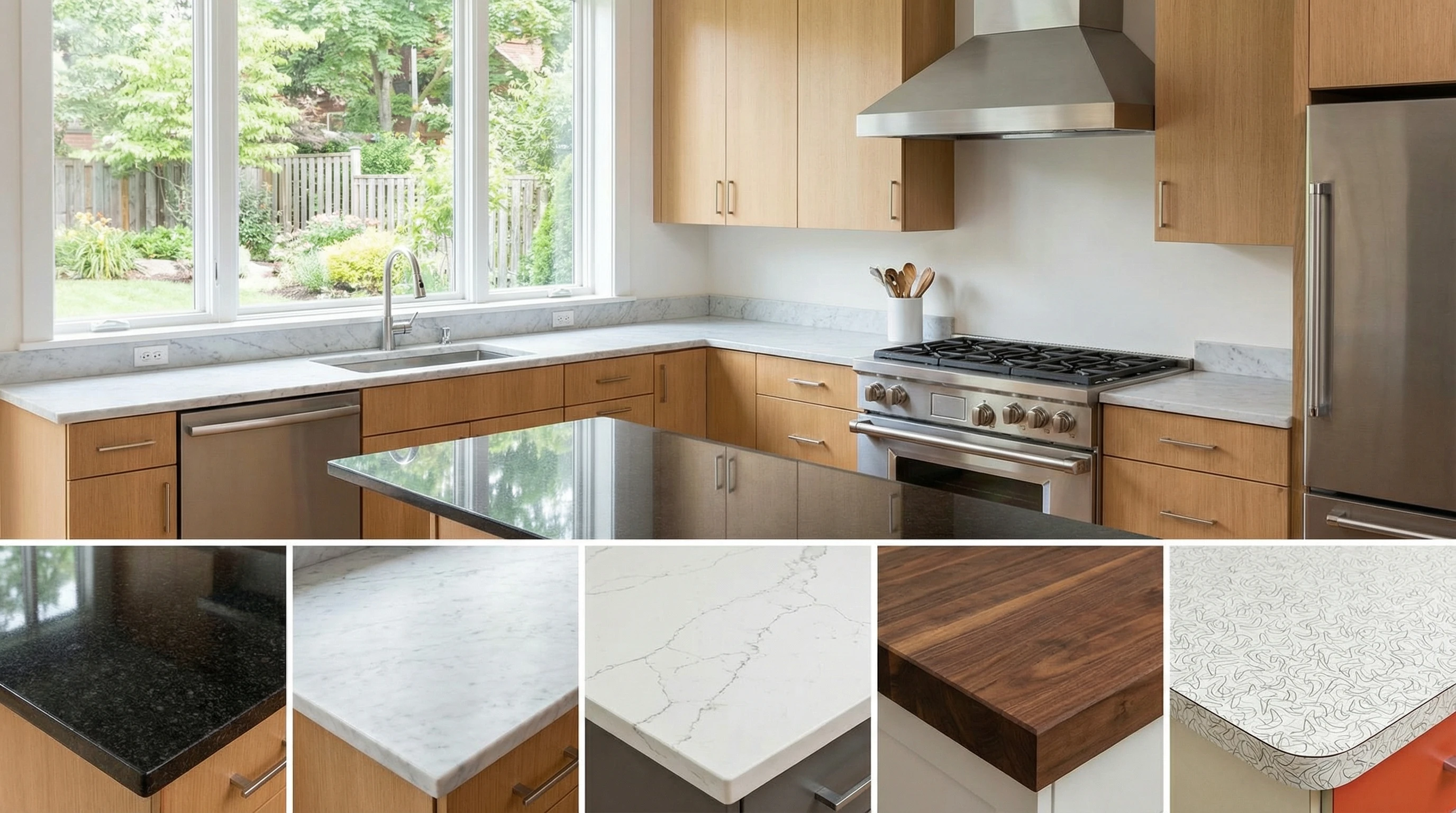
 Picking new countertops isn’t just about grabbing what looks trendy. There’s a lot that goes into finding the right fit for your kitchen, your style, and your daily life. With so many materials, colors, and features out there, it’s easy to feel a little overwhelmed. I’ve helped friends and gone through this process myself, so I know how much the details matter. Getting the right solution can pull the whole look of your kitchen together and make it work better for your routines.
The perfect countertop is more than just a surface for chopping veggies. It stands up to your lifestyle, matches your design vibe, and fits your budget. From classic choices like granite and marble to cool new options like quartz and butcher block, there’s a lot to sort through. This guide covers what you need to know, and what you should think about, to choose kitchen countertops that you’ll love now and years down the line.
Step 1: Think About Your Kitchen Lifestyle
 How you use your kitchen has a big impact on the kind of countertop that works for you. Some materials hold up better against spills, knife marks, and heat, while others need a little more TLC but offer serious style points.
Questions To Ask Yourself:
- How often do I cook or bake?
- Do I want a low maintenance surface, or am I okay with regular care?
- Are there kids or pets who might be rough on the counters?
- Is being able to put hot pots down directly important to me?
- What kind of messes do I make most—think red wine, coffee, or tomato sauce?
If your kitchen is busy with daily family meals, a super durable and easy clean material like quartz might make sense. If you love hosting and want the wow factor, natural stone like marble can be eye catching, but it does need more care. Knowing your priorities makes the whole process much smoother.
Beyond that, try thinking about whether you do a lot of rolling dough or baking. Surfaces like marble feel cool to the touch, which is great for pastries, while something like laminate or solid surface is smoother and more versatile for everyday tasks. The texture and feel will impact your daily experience, so don’t overlook how the countertop functions as a workspace.
Step 2: Set a Realistic Budget 
The price range for countertops is wide. Costs depend on the material, how much square footage you need, special edge finishes, and installation. It’s easy to fall for a gorgeous stone slab, but there are awesome options at most price points if you know what to look for.
Budget Tips:
- Measure your counter space carefully to get a good estimate of how much material you’ll need.
- Ask for full quotes that include removal of old surfaces, fabrication, and installation, not just the material price.
- Shop around! Prices and promotions change between suppliers.
- If you really want a premium option, see if you can mix materials. Use something more affordable for most of the space and a statement material for an island or accent area.
Materials like laminate and some butcher block styles are wallet friendly. Midrange choices include many quartz and solid surface products. Granite, marble, and some high end quartz sit at the top of the range, and slab size or unnecessary upgrades can send costs up fast. Careful research helps buyers make informed decisions and avoid surprises.
Don’t forget to add extra for hidden costs like backsplashes, cutouts for sinks or cooktops, and edge details. Sometimes, the price for installation or fabrication can match the cost of the countertop itself. Setting aside a small buffer in your budget means you won’t be caught off guard if something needs tweaking.
Step 3: Compare Popular Countertop Materials
Each material comes with its own pros, cons, and care needs. Here’s a look at the most popular choices and what daily life with them is actually like.
Stone Countertops
- Granite: Super tough, heat resistant, and available in tons of colors. Needs sealing about once a year to resist stains.
- Marble: Gorgeous and classic, but more porous. Shows marks and stains, so it needs gentle care and regular sealing.
- Quartz: Engineered from stone and resin, so it’s scratch and stain resistant. No sealing required. Lots of colors and patterns. Not fully heat proof, so trivets are a good idea.
Other Materials
- Laminate: Budget friendly, easy to clean, and comes in endless patterns. Not as heat or scratch resistant as stone, but newer versions look pretty high end.
- Butcher Block: Warm and homey vibe. Can handle cut marks and gets more character over time. Needs oiling to keep from drying out, and not great with spills unless sealed well.
- Concrete: Modern and customizable. Can crack or stain, so sealing and upkeep matter. Super durable if you like industrial style.
- Solid Surface (like Corian): Seamless look, easy maintenance, lots of colors. Can scratch but is repairable. Not very heat resistant.
There’s no one size fits all. I always take a scrap sample home and see how I feel about it under my own lighting and alongside my cabinets. Also, ask suppliers about warranties, longevity, and how the material has held up in kitchens similar to yours.
Step 4: Pick a Color and Edge Style That Fits
Color and edge details make a big difference in how your kitchen feels. Some countertop materials offer more color choices or allow for custom edges, while others keep things simple and classic.
What to Consider for Color:
- Match the cabinets: Do you want contrast or a blended look?
- Light vs. dark: Lighter counters can brighten up a small space, but darker ones hide stains better.
- Amount of pattern: Bold veining in marble and quartz can add drama, while subtle specks look modern and calm.
Edge Options to Check Out:
- Bullnose (fully rounded for a soft look)
- Beveled (angular and modern)
- Ogee (decorative and traditional)
- Square edge (crisp and contemporary)
You can save money with a standard edge, or splurge on fancier options if you want to stand out. Your installer can usually show you samples in person, which helps a lot with decision making. Keep in mind that bolder edge details tend to cost more. Try lining up samples with your cabinet doors and drawer pulls to get a feel for the whole finished look.
Step 5: Don’t Forget Practical Details
It’s not just looks that matter—how your countertop holds up over time and how it feels to use every day makes a difference.
Performance Questions to Keep in Mind:
- How does this surface react to heat and sharp knives?

- What kind of cleaning supplies are safe to use?
- Is it smooth enough for rolling dough, or textured?
- Can it be refinished or repaired if scratched?
- How visible are seams? (Some materials show seams much more than others.)
Reading real reviews and asking friends who have lived with different materials is really helpful. Most showrooms will let you test a sample for stain resistance or scratch tests, which is worth checking out before you commit. Also, ask about warranties and repairs so you know what to expect if an accident happens.
Common Questions & Troubleshooting
What’s the easiest countertop for busy families?
Quartz is my go to for families who want something sturdy and almost worry free. It resists stains and scratches, stays looking fresh even with heavy use, and cleans up fast. Just remember to use a trivet under super hot cookware.
I want marble but worry about stains and chips. Any tips?
- Use cutting boards and trays on high use spots.
- Clean up spills (especially acidic stuff) right away.
- Have a pro seal the surface every year or more if needed.
- If you just love the look, there are quartz products that mimic marble without the fuss.
Is DIY installation a good idea?

Laminates and butcher block are possible for easy DIY projects, but stone, quartz, and solid surfaces almost always need a pro. The cuts, seams, and heavy lifting are tricky. It’s worth paying for quality installation to get a great fit and finish.
Sometimes people also ask about ecofriendly materials. If sustainability is important to you, look into recycled glass surfaces, reclaimed wood, or greener stone options. These choices offer unique looks while helping the planet.
What To Do Next: Your Countertop Action Plan
My Top Steps for Getting Your Dream Kitchen Counters:
- Figure out which features matter most for your cooking style and family needs.

- Decide on your budget and measure your counter space.
- Check out physical samples whenever you can and compare color, texture, and maintenance needs.
- Talk to at least two installers or suppliers to get quotes and see what’s included. Don’t be afraid to ask about warranties or negotiate on price if you’re working on a larger remodel.
When you balance style, function, and budget, you’ll end up with a kitchen you can’t wait to spend time in. Whether you’re cooking, entertaining, or just grabbing a snack after work, the right countertop sets the stage for years of happy memories.