
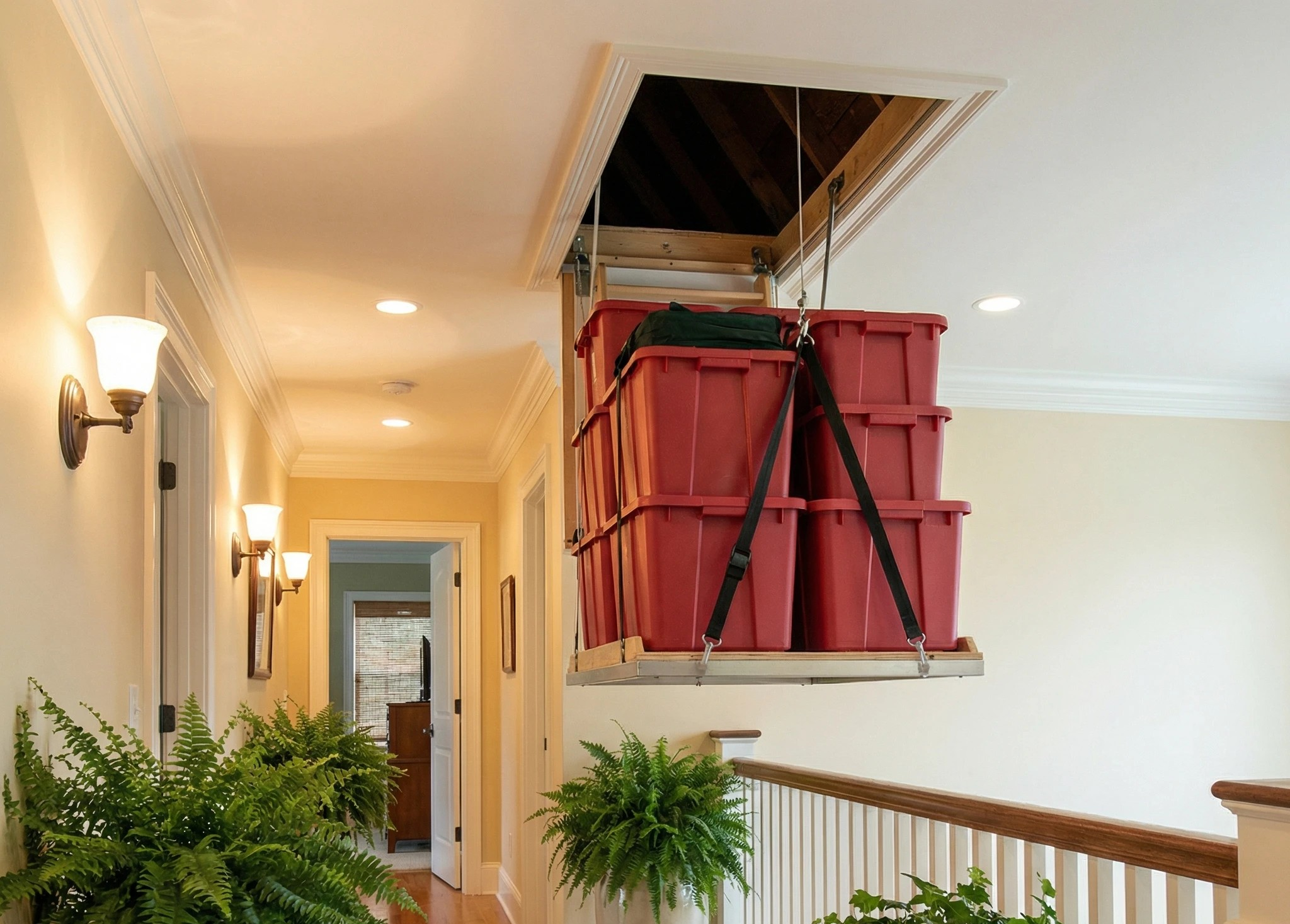
An attic elevator isn’t just for fancy mansions or superheroes hiding their alter ego gear anymore. It’s a practical addition for any home, making life a bit simpler. Imagine easily transferring heavy boxes of holiday decorations or those forgotten treasures tucked away in your attic.
Accessibility becomes a breeze with an elevator. Climbing ladders doesn’t get easier with age, right? An attic elevator adds that layer of safety, preventing any potential slips and falls. Plus, it’s perfect if you’re planning to make your home more inclusive for family members who might need a little more assistance.
Talking storage perks, an attic elevator steps up your game. Suddenly, the attic isn’t just for long-term storage. Every inch becomes accessible, adding substantial usable square footage to your living space. Trust me, this is like discovering a hidden room in your home—a room that doesn’t come with crazy mortgage interest.
Property value? Definitely a boost! Modern upgrades like these catch the eye, making potential buyers nod in approval. It’s one of those assets that makes your home not just another listing but a memorable one. The kind that stands out because you’ve gone a step further by investing in convenience and safety.
Deciding on the Right Type of Elevator for Your Needs
Choosing the right attic elevator isn’t just about picking the first set you see on a showroom floor. Different homes, different needs! First, consider the types out there. You’ve got simple lift systems that might suit smaller or infrequently accessed spaces. Then, there are those capable of handling heavier items and more frequent use.
Think about what you need to haul. If it’s just a few light boxes a couple of times a year, a simple, lightweight model might do the trick. But if you’re talking about heavy-duty items like furniture or loads of storage bins, you’ll want something more robust that can handle the weight without a hitch.
Space is another biggie. Measure your attic entrance and surrounding area because you don’t want to buy a lift that’s too big to fit. Trust me; no magic spell will make something that doesn’t fit suddenly cozy up in a tight space.
Budget and future costs? Always worth pondering. Go for a system that balances upfront price with long-term reliability and lower maintenance. Sometimes, saving a bit on the initial cost could lead to bigger repair bills down the road.
Lastly, let’s not forget the environment. Some elevators sip less energy than others, which is a win-win for planet Earth and your energy bills. Going green can be a great talking point and does your bit for the future.
Pre-installation Considerations: Essential Tips and Requirements
Before diving headfirst into the installation of an attic elevator, it’s crucial to understand your home’s structural capacity. Check if your attic floor and ceiling can safely accommodate this new addition. Getting a structural engineer to weigh in is a smart move, saving you from potential headaches down the line.
Legal permissions are a must before making any structural changes. This isn’t just about avoiding fines or penalties; it’s about ensuring your project aligns with local building codes and regulations. So definitely, drop by your local municipal office or check online for necessary permits.
Choosing the right installer is another big step. Not all installers are created equal. Look for someone certified with a track record of successful attic elevator installs. A well-regarded professional can guide you through the process, providing peace of mind that your elevator will be safely and correctly fitted.
Planning the project timeline and budget is key for removing stress from the experience. Start by getting clear estimates from your installer and set a realistic budget that includes all materials, labor, and potential contingency funds. It’s always a good idea to prepare for any unforeseen hiccups that might pop up along the way.
The Installation Process: What to Expect and How to Prepare
So you’ve got your ducks in a row with permits, choices, and plans. Now, what happens during the actual installation? First off, expect a crew to come in with a game plan for setting up your elevator. They’ll start by making sure everything’s level and secure before any real work begins.
You’ll need to prepare your attic and surrounding area. Declutter the space to give the installers room to work. Think of it as prepping a workout area—more space means smoother movements, avoiding unnecessary delays.
Challenges can happen, even with the best-laid plans. Issues like electrical wiring adjustments or unexpected space constraints might pop up. But hey, the pros know how to handle these. Keep open communication with your installers to smooth over any bump.
Safety doesn’t go on vacation during the install. Wear hard hats if you’re nearby and make sure little ones and pets stay clear. It’s all about reducing risk and making sure nothing hinders the job. The right preparation and a proactive approach can make the installation process a breeze with a little help from your trusted crew.
Maintenance and Troubleshooting: Keeping Your Attic Elevator in Prime Condition
Regular maintenance checks are your elevator’s best friend, keeping it running smoothly year-round. Check cables and pulleys for wear and tear, and ensure the system’s lubricated and clean.
DIY troubleshooting can fix minor hiccups. Maybe the platform isn’t moving? Look for obstructions or check power sources. If things seem more complicated, it might be time to call in the pros.
Know when to reach out for professional help. If you hear unusual noises or experience inconsistent performance, professional technicians are a call away to handle complex issues.
Thinking ahead with upgrades can save you time and money down the road. Imagine integrating smart technology—remotely control your elevator’s schedule or get alerts for maintenance needs. Stay in the loop with future tech enhancements to keep your attic elevator sharp.